113-DOF 3D Printed Robot Arm
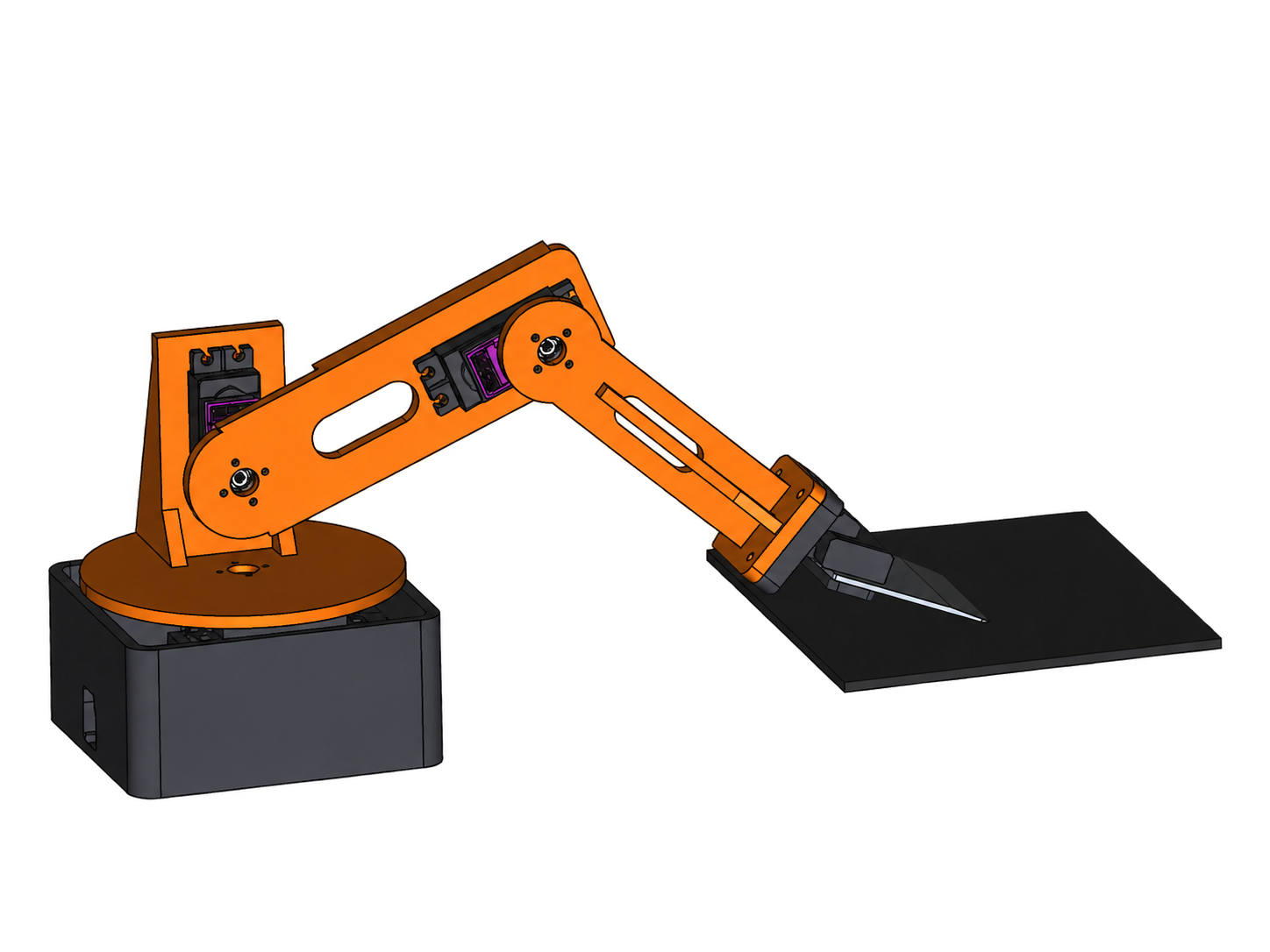
A printed servo arm for removing prints from a printer bed, developed through torque analysis, kinematic visualization, and task-specific end effectors.
Browse by the kind of problem you care about. Projects can live in more than one category because the strongest systems rarely respect disciplinary boundaries.
11A printed servo arm for removing prints from a printer bed, developed through torque analysis, kinematic visualization, and task-specific end effectors.
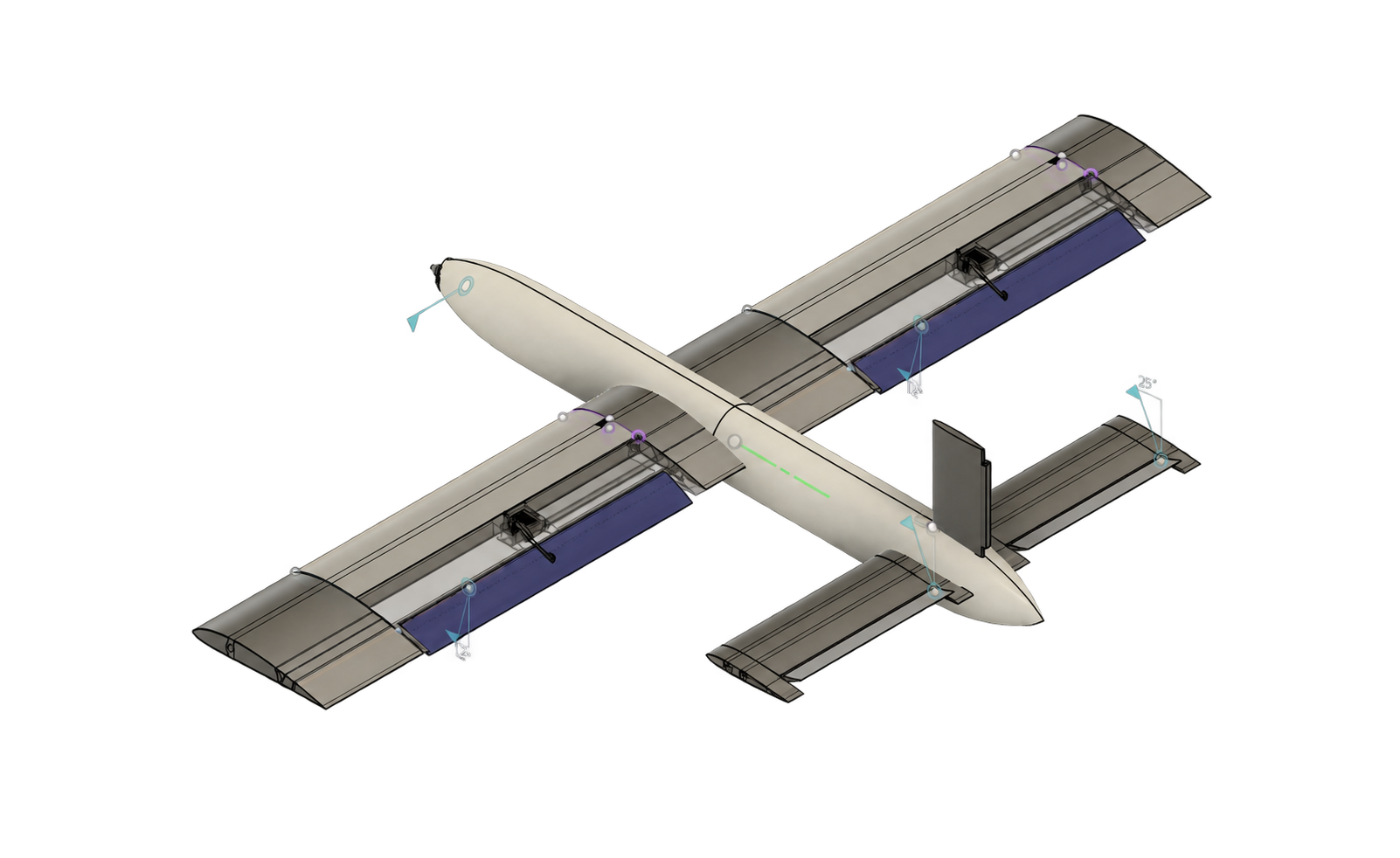
01Rear isometric view of the segmented wing, control surfaces, tail geometry, and mechanical assembly interfaces.
A 42-inch aircraft developed through low-Reynolds-number airfoil analysis, OpenVSP iteration, and design for additive manufacturing. The final airframe used thin standard-PLA shells and removable mechanical joints instead of glue.
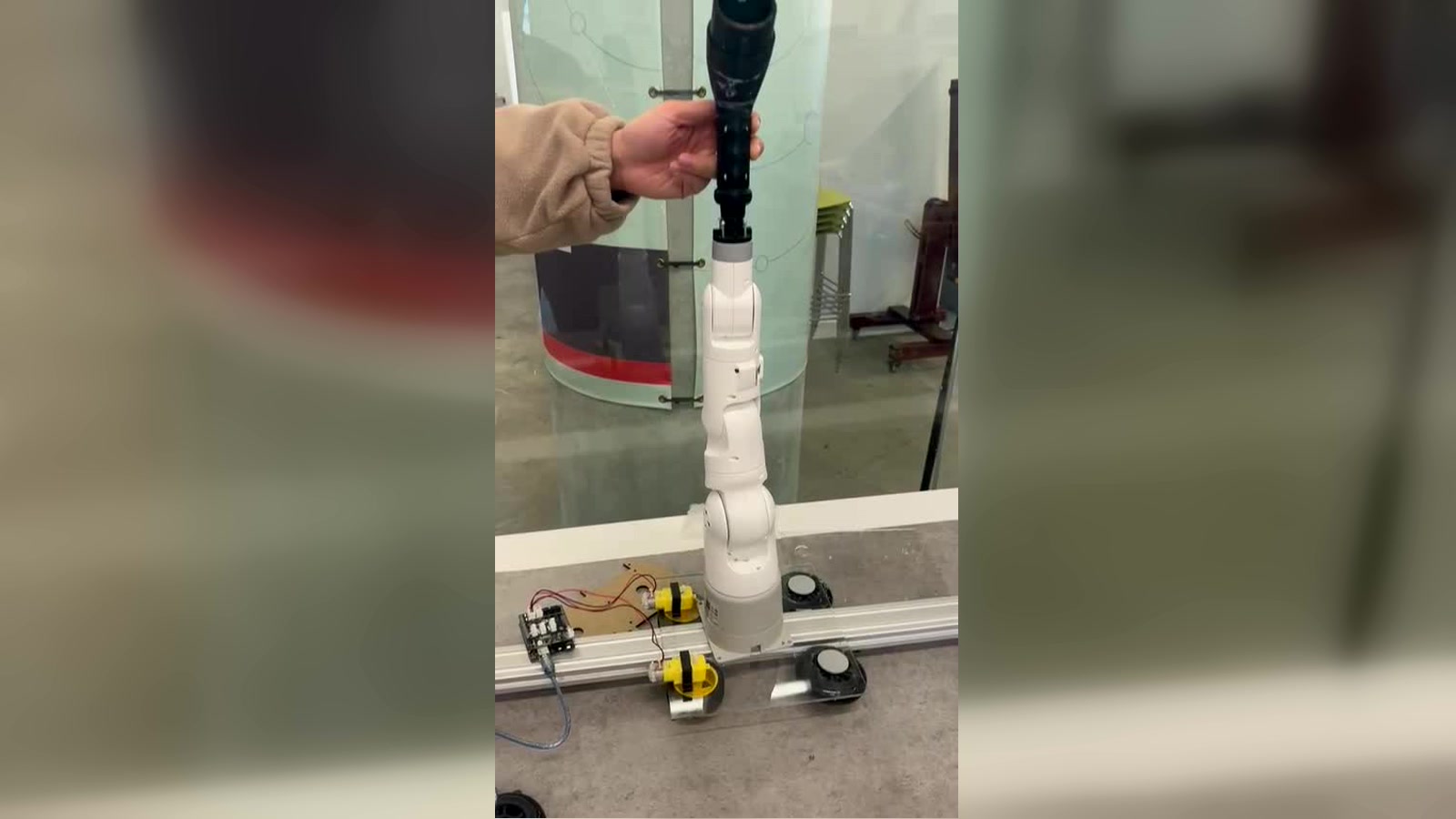
02A physical robotics platform used to test reach, motion, end-effector interfaces, and system integration.
A product conceptualization study that moved from system requirements to physical prototypes and design for manufacturing.
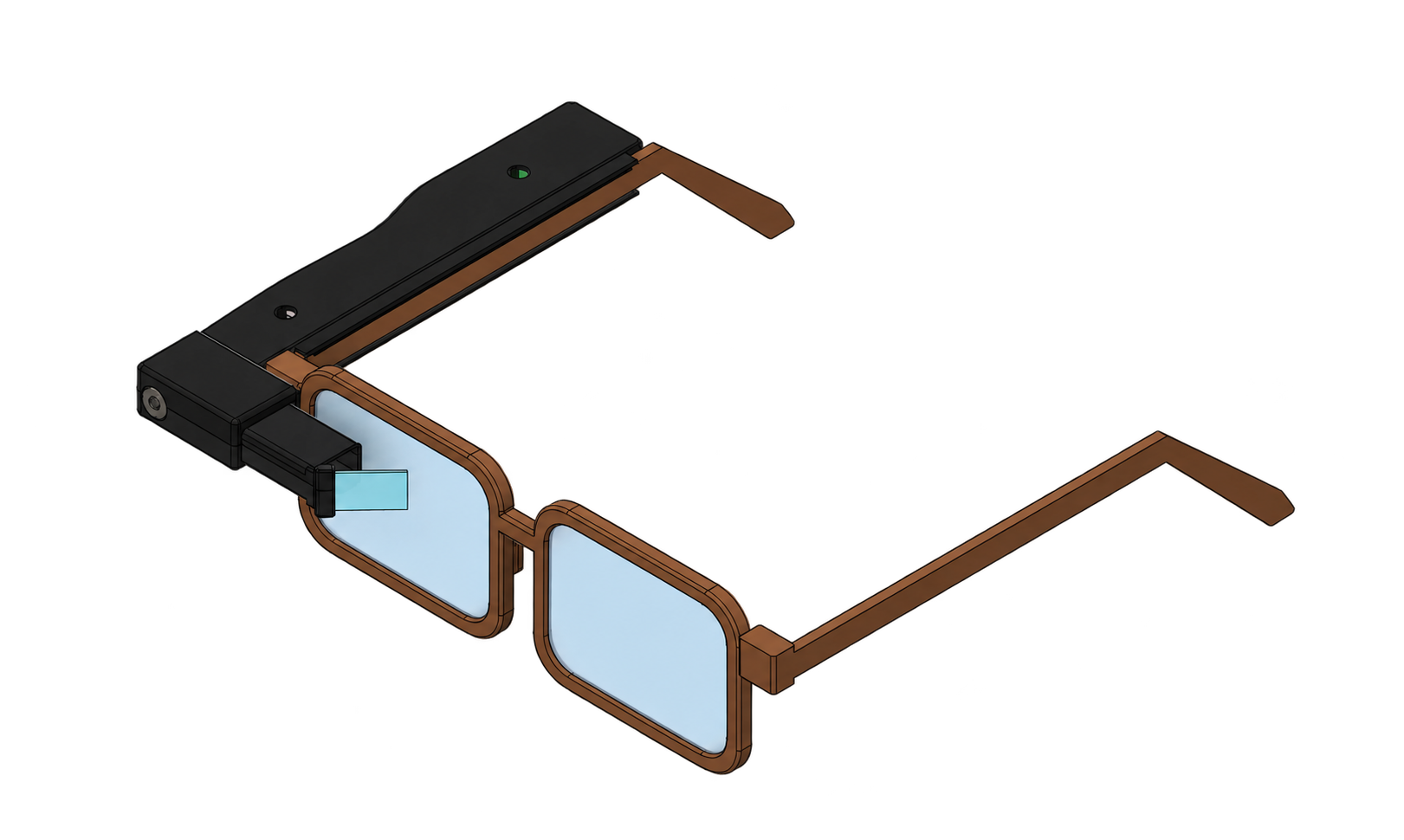
03Inspect the enclosure, temple packaging, and combiner placement in the assembly.
A working heads-up display advanced into V3 wearable CAD, with a folded optical path and electronics arranged along the glasses temple.
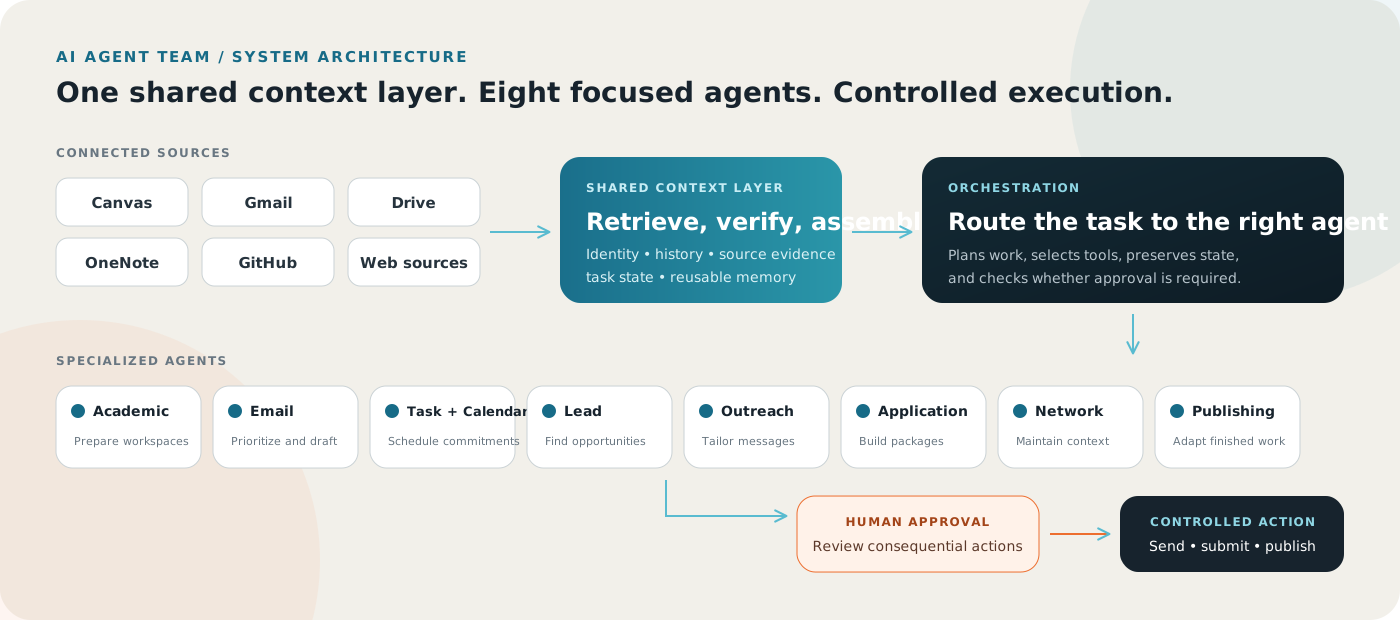
A code-drawn system map showing how connected sources feed shared context, specialized agents, review, and controlled execution.
Eight specialized agents organize academic, communication, scheduling, career, and publishing workflows through one shared context layer, with explicit approval before consequential actions.


I translated consumer and restaurant interviews into a clearer discovery flow, flexible all-day deals, and a roadmap for POS-connected operations.
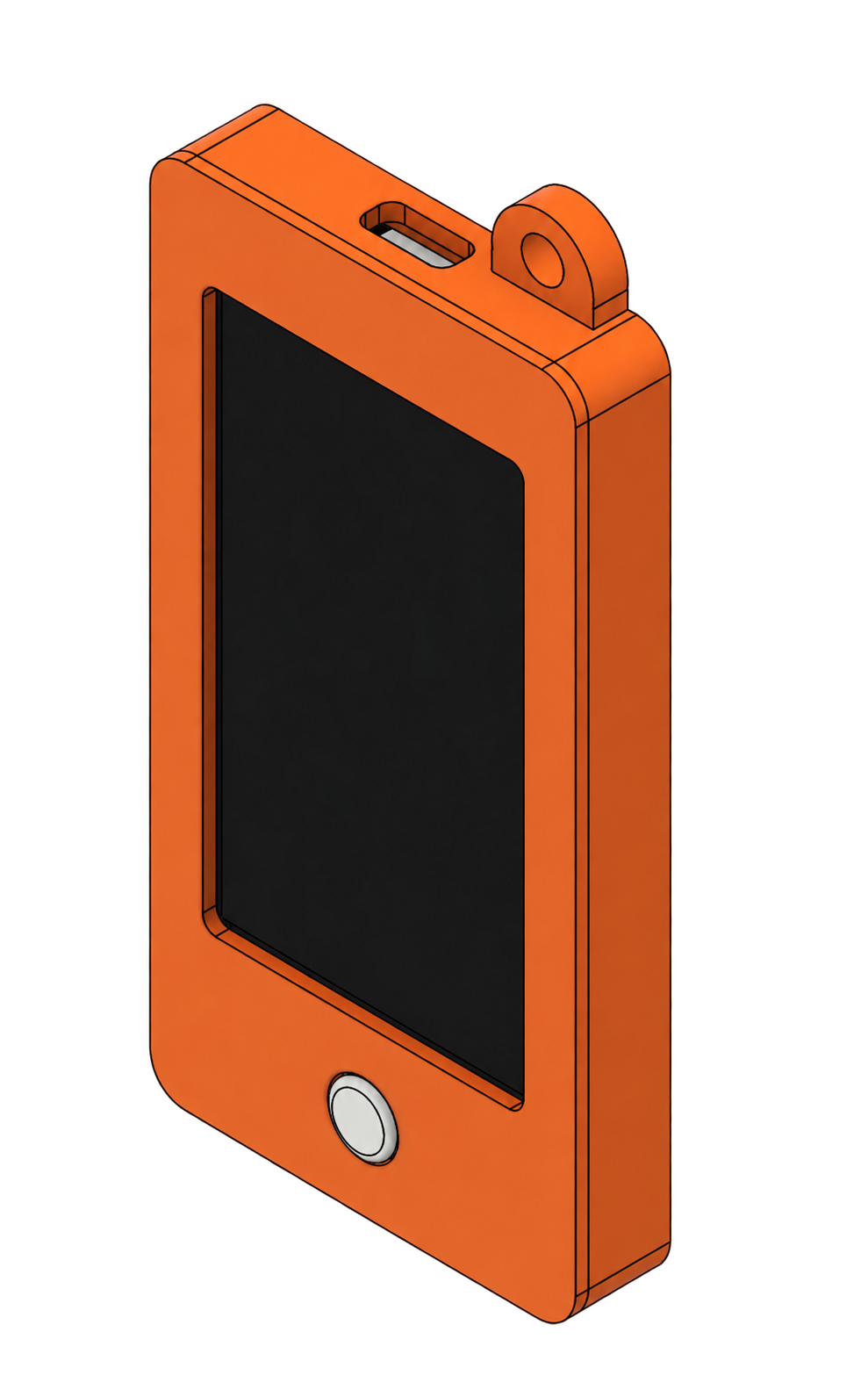
06An assembled ESP32-based handheld device that brings notifications and human approval into a physical interface away from a laptop.
Full system photo with the LiDAR, computation, and filling mechanism clearly visible.
A research system that detected potholes, estimated geometry and volume, and connected sensing to a custom repair mechanism.
Wide, lab-safe image of the mobile base and manipulator. Clear any unpublished work, private screens, and identifying information before upload.
Ongoing robotics and mechanical design research on a mobile manipulation platform in CMU’s Computational Engineering and Robotics Laboratory.
Show the final prototype being used in context, not isolated on a desk. Obtain explicit permission before publishing participant imagery.
A human-centered engineering project grounded in needfinding interviews, measurable requirements, and iterative design–build–test cycles.